CARGO
Pastel beach
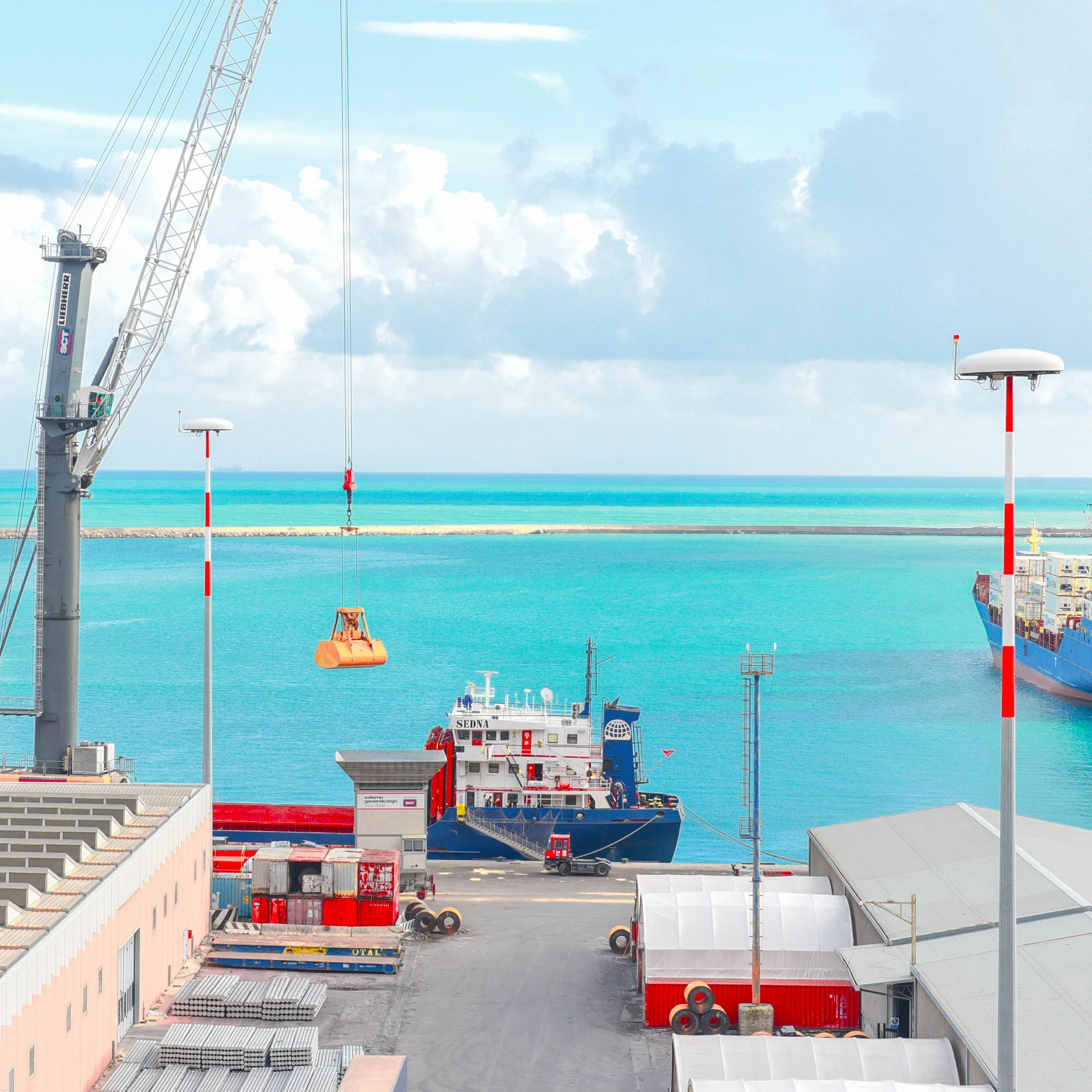
Photo: © Paloma Cabeza
"It was a terrible night: a fight at the bar with a group of guys. One of them hit me, pulled out a knife, and I had to defend myself. I shot him.
I got lost in the countryside, not knowing where to go. I threw away my gun and cell phone, so they wouldn't track me. I think it was two in the morning by then. At a crossroad, I saw some signs: they said Salerno, center and port.
“I have to run,” I thought.
I was completely confused. I just knew they were Camorristi, going to kill me, I had to hide.
The port was deserted, but I had to be careful of the dock guards. So I left the car in a secluded parking lot, a place for truck drivers and prostitutes.
I walked, I don't know how far: the fence was high, with barbed wire on top, impossible to cross. I was scared, but then I found an open gate: trucks were driving back and forth, there was no one else there.
I ran inside, as fast as I could, terrified that there were cameras.
There was nowhere to hide among the docks. Too much light everywhere, those damned wagons constantly passing by.
I considered climbing the crane, but it was too windy, and the ladder was slippery. Across the way, there was this cargo ship, with a world painted on its funnel. I thought it would take me far away, to safety, I didn't care where.
I waited for the right moment, and ran up. I hid in a hold, in the dark, until I heard it move. But I was hungry, thirsty. I had to go out, and a sailor found me.”
My voice trails off. The captain of the Sedna is a bald African person, with a hard look in his eyes. He hasn't said a word since that brute escorted me into this room.
He scrutinizes me carefully, and my mind races: now he'll report me to the Carabinieri, I'll have to go back home, the Camorristi will find me. I'm screwed.
"Where did you think you were going?" He speaks Italian with a French accent, his voice deep and neutral. From his serious expression, I can't tell what he's thinking.
"I don't know. Anywhere, but I can't go home: even if I didn't kill him, they'll find me."
"In Italy, there are severe penalties for stowaways. The only option is to drop you off in Messina, but you'll make us waste a lot of time: we're already behind schedule and we're short of at least three crew members for the crossing. It will take about two months of navigation to Mombasa."
I speak quickly, almost interrupting him: "I'll work. I can help, even with heavy tasks. Please, going home now is too dangerous. I can start right away. Just let me call my parents; they'll be worried. I won't tell them I'm here."
He looks me over, thinking about it. I feel bad, moving uncomfortably in my chair.
"I'll take this responsibility, but you'd better stay on track or this will end badly, very badly. You can stay, my men will give you uniforms and a cabin, but I want clear terms: when we reach Kenya, you'll come down at night and we'll never see each other. Now leave."
The sailor asks me to follow him. He leads me to the cabin without a word, but first we step out onto the ship’s bridge. All around us is just open sea, under a blazing sun stick in the blue sky.
The air smells of diesel and freedom.
Despite the situation, a smile appears on my face.